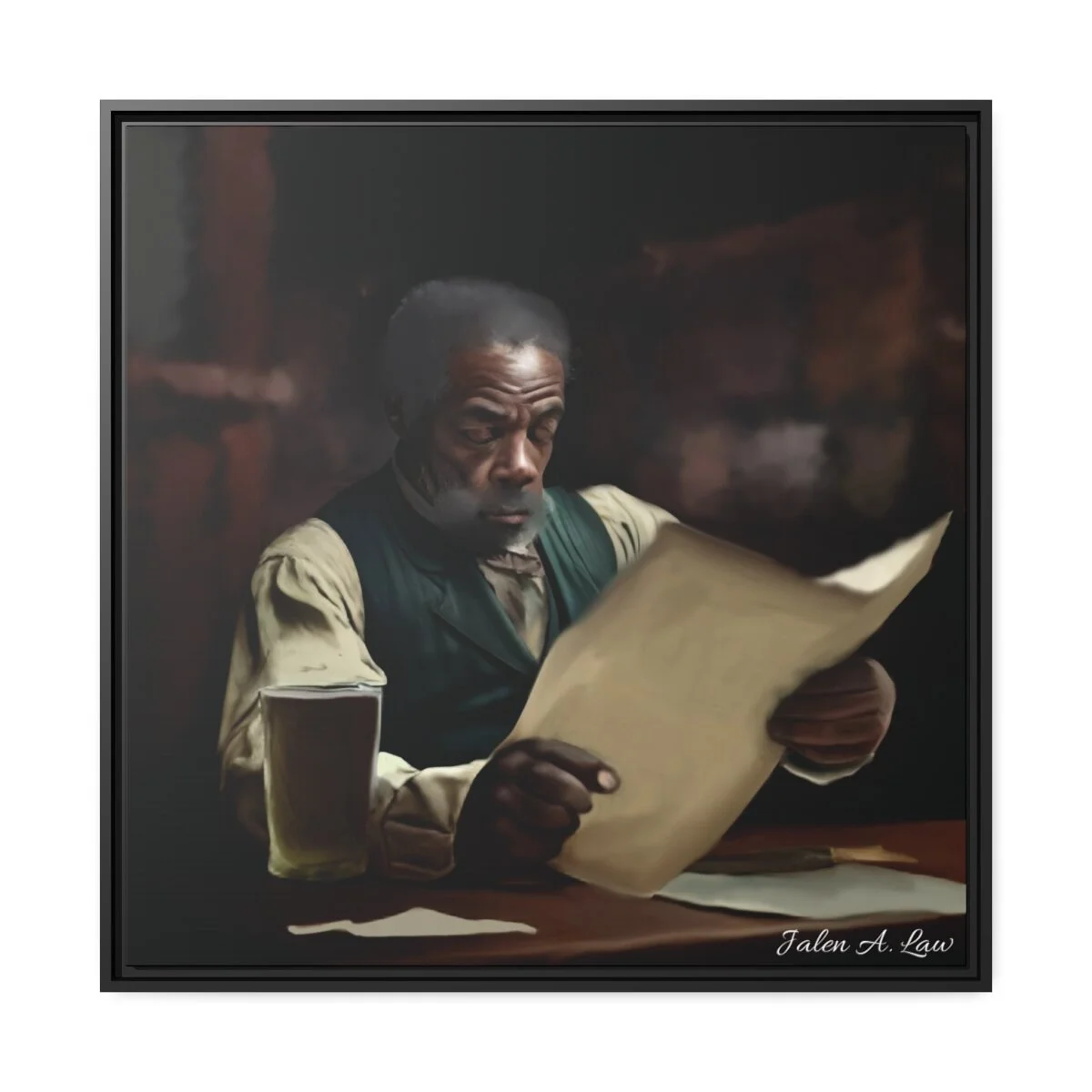
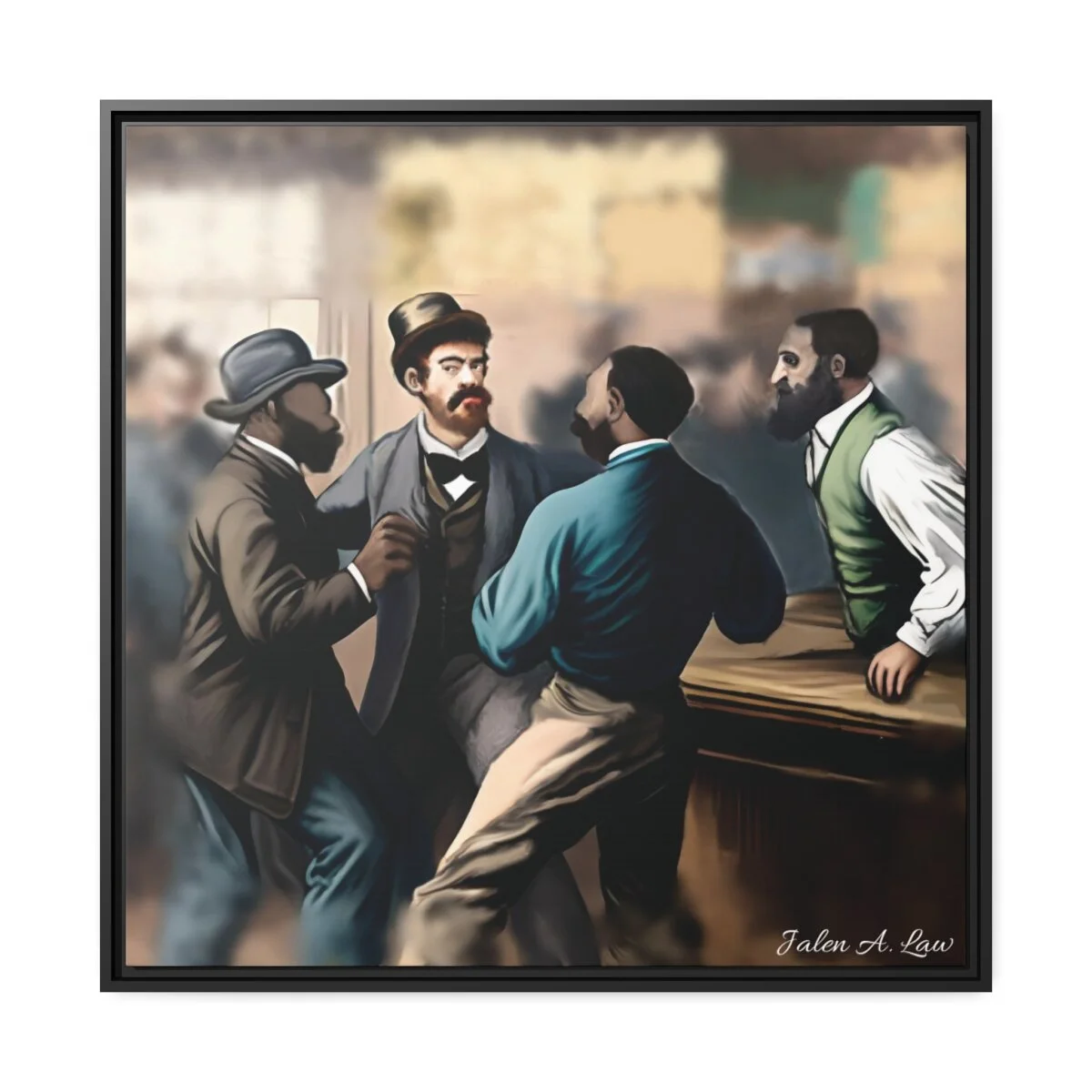
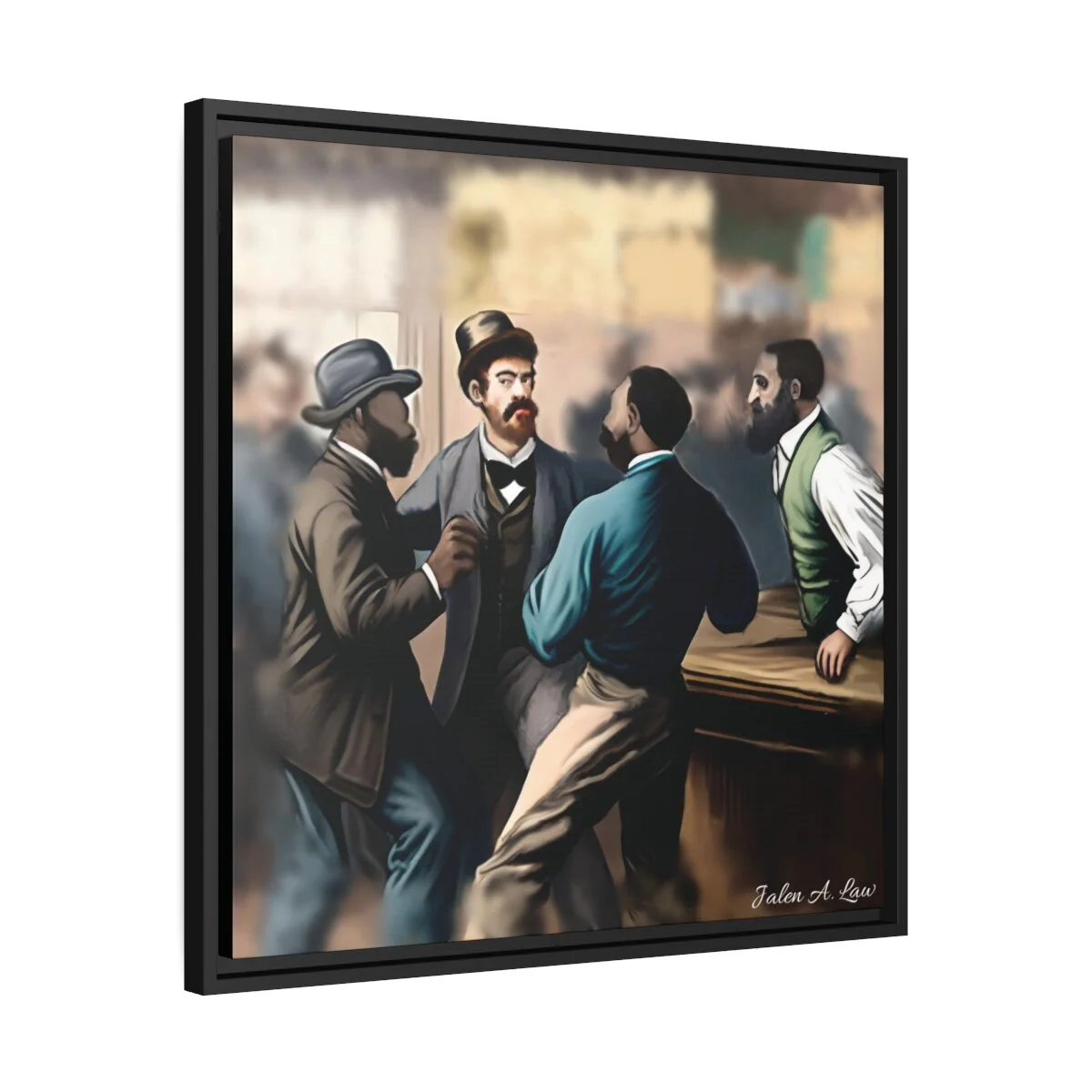
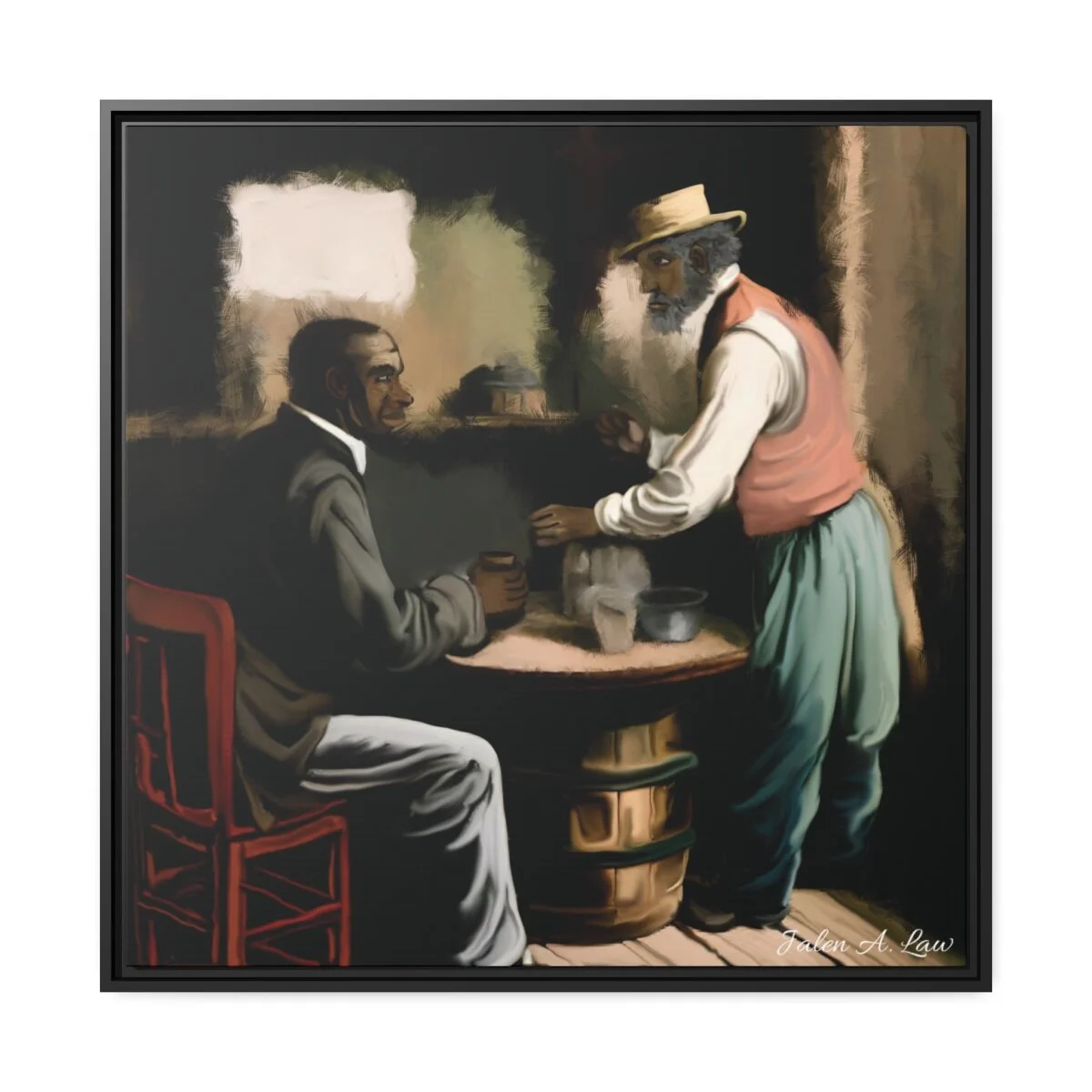
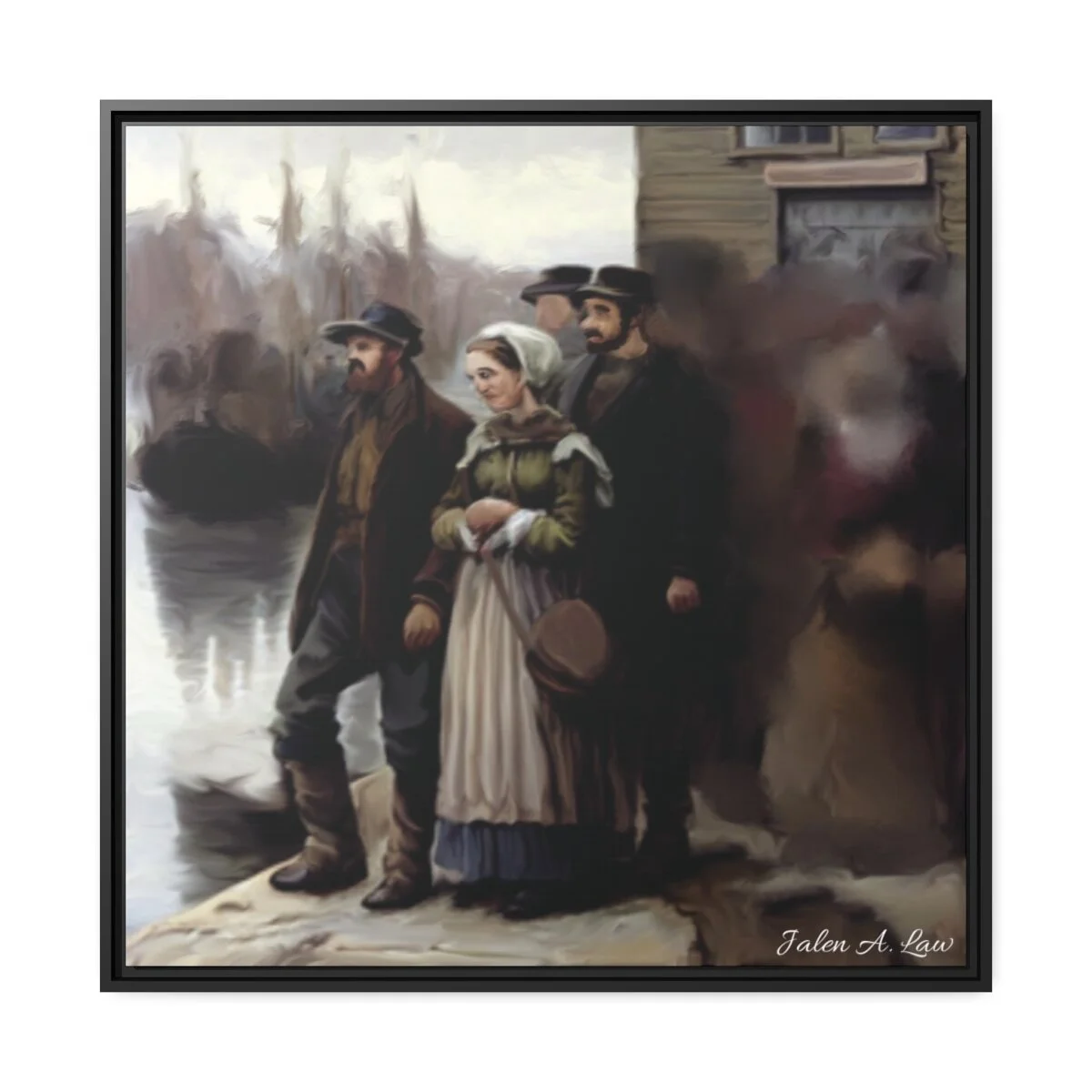
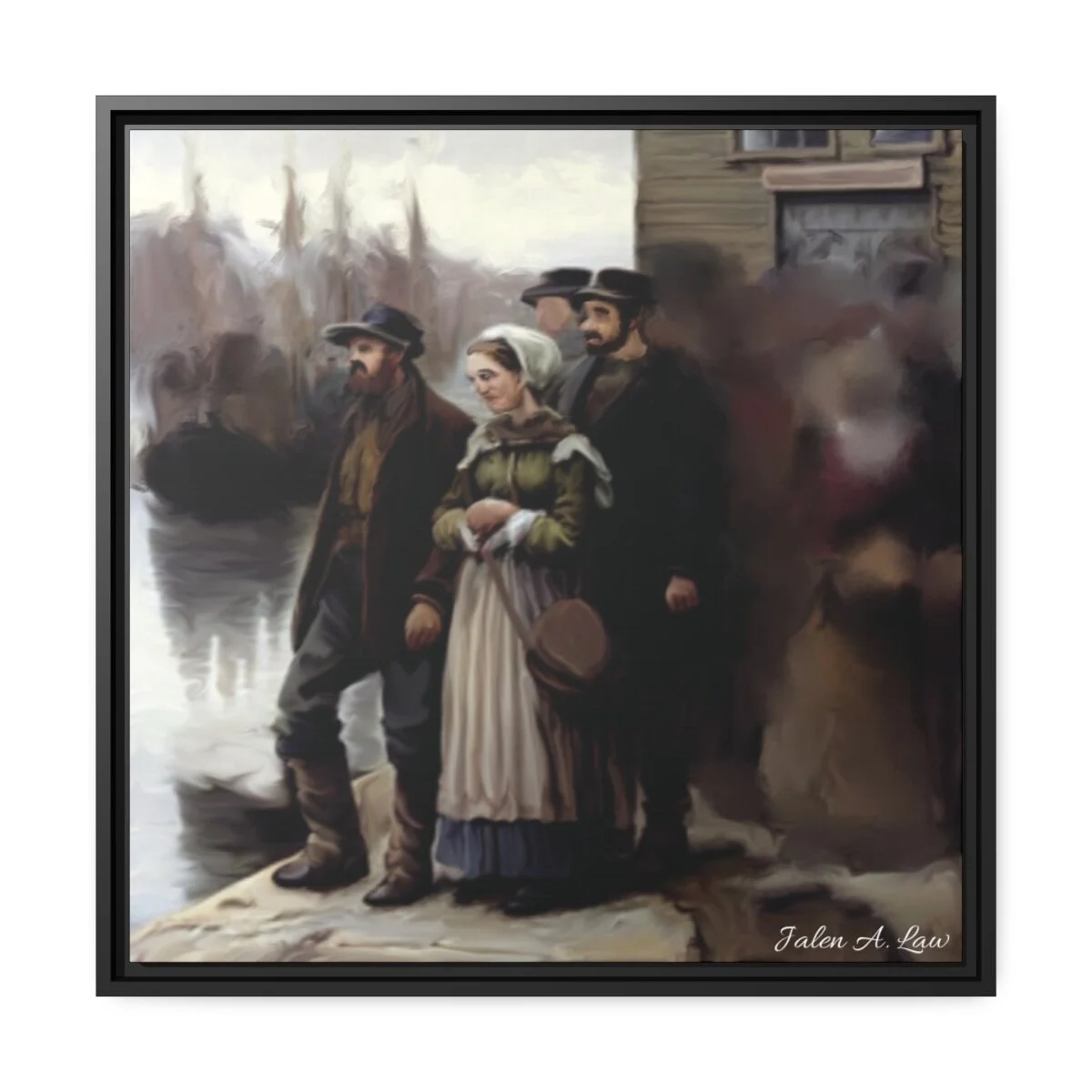
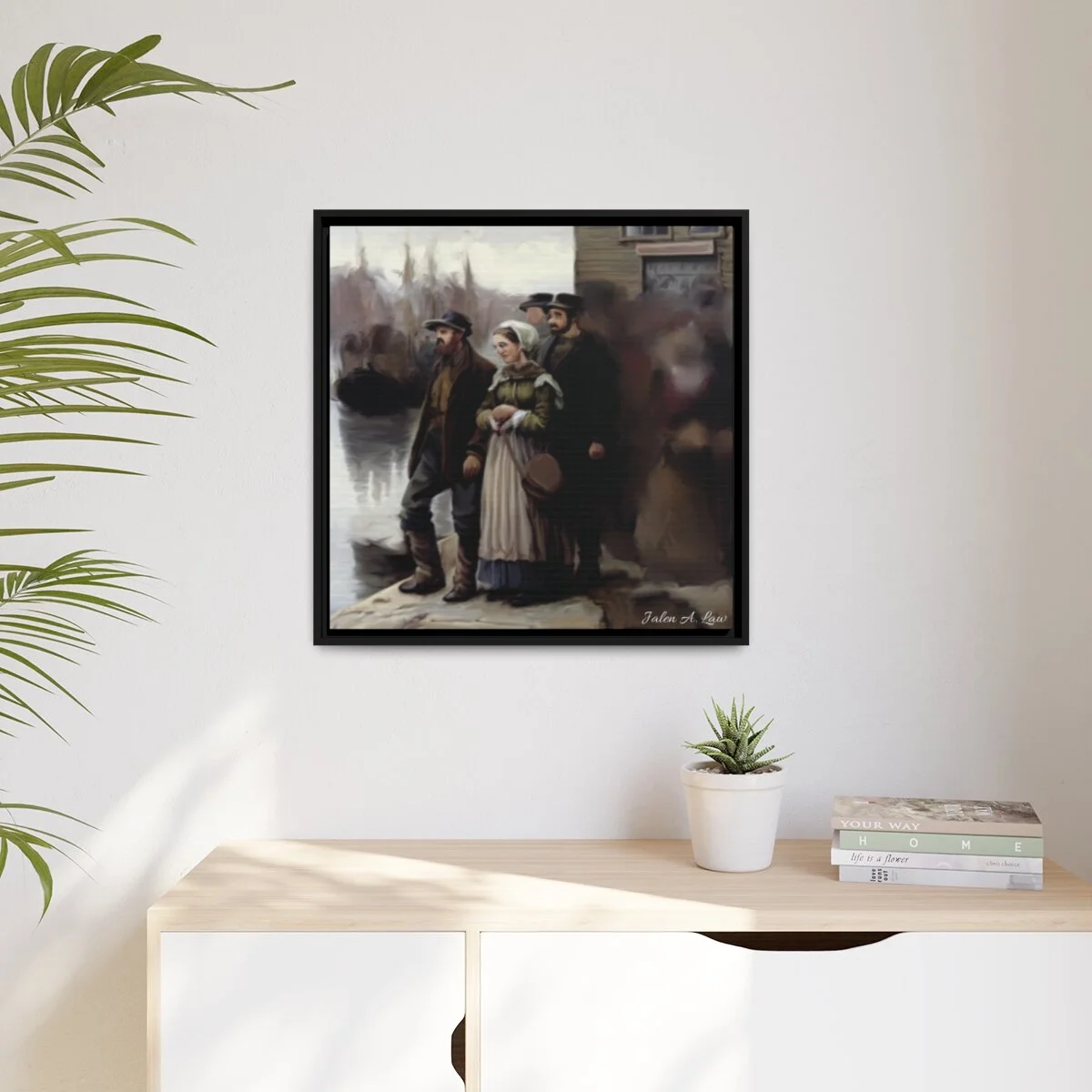
"July 1863 witnessed a spark that ignited racial tensions, resulting in a devastating riot. The spark was a confrontation between John McLaughlin, a white man, and a Black man named Williams. Amidst racial slurs, Williams, feeling threatened, fired a shot that struck McLaughlin. Chaos erupted as witnesses chased and brutalized Williams. The incident's impact reverberated across neighborhoods and docks, fueling animosity that had been brewing between certain Irish communities and Black residents, particularly those working the waterfront.
The streets were a powder keg, and the police found themselves facing a volatile situation. Amidst the fervor, Williams was taken into custody, but the mob's appetite for vengeance remained unsated. Businesses, homes, and innocent Black lives became targets. The mob's sinister intent, as reported by a Canadian newspaper, was to 'exterminate the [negro] race in Buffalo.' On the vessel Mary Stewart, two Black men sought refuge, hiding beneath the boiler, struggling for breath in the confined space. Amidst the chaos, a black man named William Smith met a tragic fate, driven into the creek by a horde of men and boys.
Despite efforts to save him, his life was claimed by the waters. The chilling echoes of the tragedy repeated on the Tonawanda, where another Black man met a similar end. The Buffalo Coroner's inquest would later declare both victims as having been 'literally murdered before they were pushed into the creek.' Amidst the turmoil, some propeller captains managed to move their vessels, evading the mob's fury. Others stood their ground, fortifying their crews to repel the mob's advance. As tensions peaked, Mayor Beckwith emerged, urging the crowd to disperse or face the weight of the law."
"July 1863 witnessed a spark that ignited racial tensions, resulting in a devastating riot. The spark was a confrontation between John McLaughlin, a white man, and a Black man named Williams. Amidst racial slurs, Williams, feeling threatened, fired a shot that struck McLaughlin. Chaos erupted as witnesses chased and brutalized Williams. The incident's impact reverberated across neighborhoods and docks, fueling animosity that had been brewing between certain Irish communities and Black residents, particularly those working the waterfront.
The streets were a powder keg, and the police found themselves facing a volatile situation. Amidst the fervor, Williams was taken into custody, but the mob's appetite for vengeance remained unsated. Businesses, homes, and innocent Black lives became targets. The mob's sinister intent, as reported by a Canadian newspaper, was to 'exterminate the [negro] race in Buffalo.' On the vessel Mary Stewart, two Black men sought refuge, hiding beneath the boiler, struggling for breath in the confined space. Amidst the chaos, a black man named William Smith met a tragic fate, driven into the creek by a horde of men and boys.
Despite efforts to save him, his life was claimed by the waters. The chilling echoes of the tragedy repeated on the Tonawanda, where another Black man met a similar end. The Buffalo Coroner's inquest would later declare both victims as having been 'literally murdered before they were pushed into the creek.' Amidst the turmoil, some propeller captains managed to move their vessels, evading the mob's fury. Others stood their ground, fortifying their crews to repel the mob's advance. As tensions peaked, Mayor Beckwith emerged, urging the crowd to disperse or face the weight of the law."

 Image 1 of 3
 Image 2 of 3
 Image 3 of 3